Building blockchain features into your app should be straightforward. You want wallet connections, smart contract calls, maybe some NFT functionality: all without writing Solidity or setting up your own nodes. That's the promise of no-code and low-code blockchain integration.
But here's the reality: most teams stumble through their first blockchain integration, making predictable mistakes that cost time, compromise security, or create technical debt that haunts them for months.
After helping developers integrate NEAR Protocol into Webflow sites, Zapier workflows, and Flutter apps, we've seen these mistakes repeatedly. The good news? They're all fixable, and once you know what to watch for, you can build blockchain features faster and more securely than you thought possible.
This is the biggest security mistake we see in no-code blockchain projects.
The Problem: FullAccess keys give complete control over a wallet: they can transfer funds, delete access keys, and execute any transaction without restriction. Many developers use them because they're easier to implement initially, but this creates massive security vulnerabilities.
If someone gains access to a FullAccess key embedded in your application code or workflow, they can drain the entire wallet. We've seen projects lose funds because FullAccess keys were accidentally committed to public GitHub repositories or exposed through frontend code.
How to Fix It: Use FunctionCall access keys instead. These limited-access keys can only call specific smart contract methods on specific contracts. They can't transfer tokens or modify the account in any way beyond their designated purpose.
For example, if you're building a voting app, your FunctionCall key should only be able to call the vote method on your voting contract. Nothing else. This dramatically reduces your attack surface.
When you integrate NEAR through platforms like Kiews, FunctionCall keys are the default option, with FullAccess keys clearly marked as advanced features that require additional security considerations.

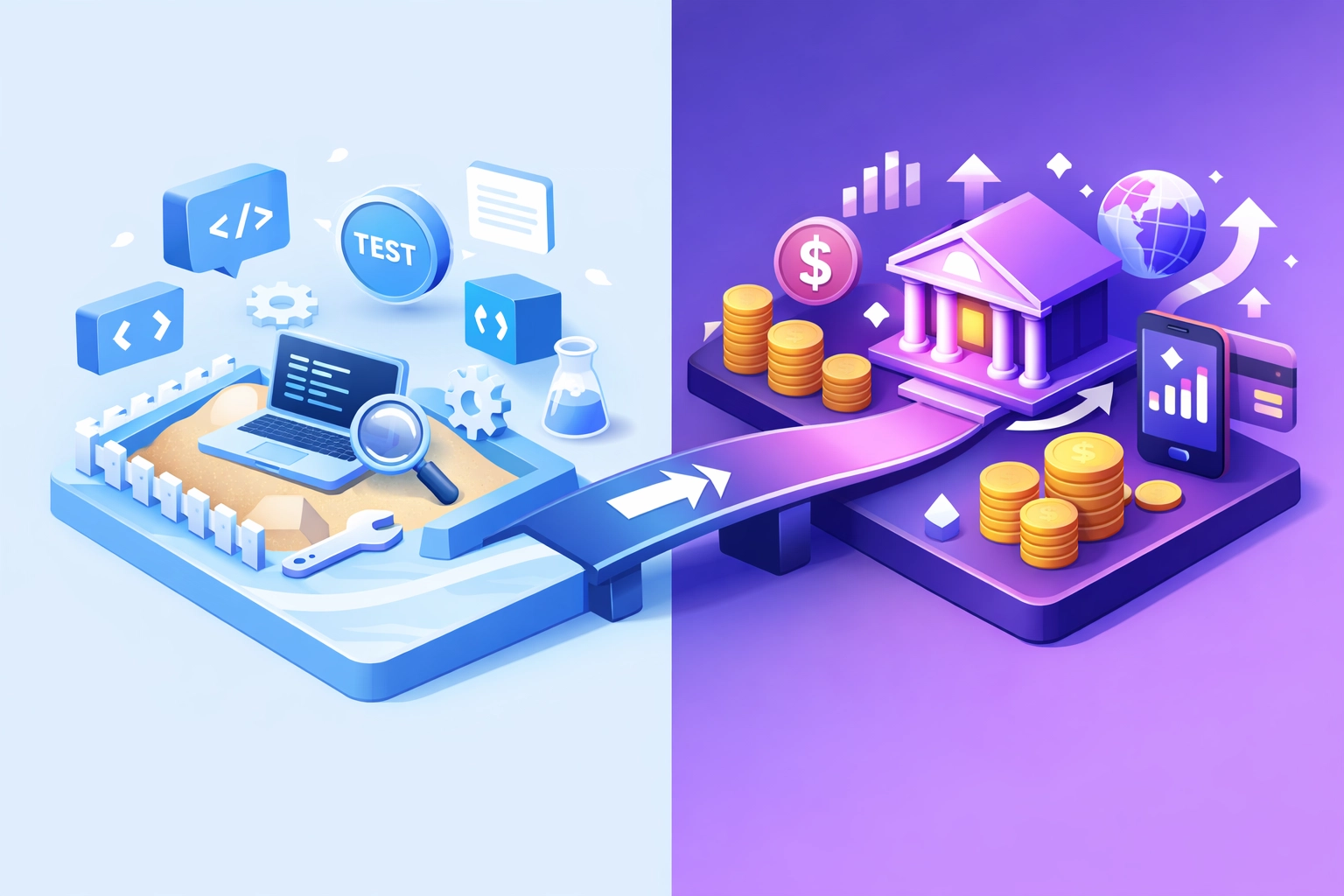
The Problem: Deploying directly to mainnet without thorough testnet validation is like pushing code to production without any QA. Blockchain transactions cost real money, and mistakes can't be reversed.
We've seen developers burn through hundreds of dollars in gas fees debugging issues that could have been caught for free on testnet. Worse, some have accidentally sent real tokens to the wrong addresses or called the wrong contract methods: permanent, irreversible mistakes.
How to Fix It: Always build and test on NEAR testnet first. Testnet tokens are free, and you can experiment without financial risk.
Create a complete testing workflow: test wallet connections, verify your smart contract calls return expected data, simulate failure scenarios, and ensure your error handling works correctly. Only after everything runs smoothly on testnet should you consider mainnet deployment.
Most no-code platforms, including Kiews integrations, let you toggle between testnet and mainnet with a simple environment variable or configuration setting. Use this feature religiously during development.
The Problem: You build an entire blockchain workflow in Webflow, only to discover your client also needs it in their React Native app. Or you create a Zapier automation that can't be replicated in Make because the authentication model is completely different.
Platform lock-in becomes a nightmare when you realize your blockchain integration can't scale across the tools your business actually uses.
How to Fix It: Map out your integration requirements before writing a single line of code or configuration. Ask yourself:
Choose integration solutions that work across multiple platforms. For instance, Kiews provides ready-to-use components for Webflow, Zapier, Make, and Flutter: all using the same underlying NEAR Protocol methods. This means you learn the integration pattern once and apply it everywhere.
If you're building custom solutions, prioritize API-first architecture so you can reuse your blockchain logic across different frontends.
The Problem: Embedding specific wallet addresses or smart contract IDs directly in your code seems convenient during development, but it creates maintenance headaches and makes your application inflexible.
When you need to update a contract, switch to a different wallet, or deploy the same application for multiple clients, hardcoded values force you to edit and redeploy everything.
How to Fix It: Use environment variables or configuration files for all blockchain identifiers. Store wallet addresses, contract IDs, RPC endpoints, and network settings in external configuration that can be updated without touching your core application logic.
In no-code tools like Zapier or Make, this means using input fields and variables instead of pasting addresses directly into action steps. In Webflow, it means pulling values from CMS collections or custom attributes rather than hardcoding them in embed code.
This approach also makes it trivial to maintain separate configurations for testnet and mainnet, or to clone your workflow for different clients with their own contract deployments.
The Problem: Blockchain transactions cost gas, and in no-code scenarios, you often don't have the granular control that custom code provides. Without proper gas management, you'll face two issues:
First, transactions that fail because you didn't attach enough gas, leaving users confused and your integration broken. Second, overpaying for gas on simple operations, making your application expensive to run at scale.
How to Fix It: Understand the gas requirements for each smart contract method you're calling. NEAR transactions typically require 30-300 TGas depending on complexity. Simple read operations need minimal gas, while complex cross-contract calls need significantly more.
Test your transactions on testnet and observe actual gas consumption. Most blockchain explorers show gas used for each transaction: use this data to set appropriate gas limits.
When using ready-made integrations, choose platforms that handle gas estimation automatically. Kiews components, for example, include sensible default gas values for common operations while allowing you to override them when needed.
Consider implementing gas fee monitoring in production. If transactions start failing due to insufficient gas, you want to know immediately rather than discovering it through user complaints.

The Problem: Blockchain transactions can fail for dozens of reasons: insufficient gas, contract errors, network issues, user cancellations, invalid parameters. In traditional web development, API calls might fail occasionally. In blockchain integration, transaction failures are frequent and expected.
Without proper error handling, your application becomes unreliable. Users see generic error messages, workflows break silently, and you spend hours debugging issues that could have been caught and handled gracefully.
How to Fix It: Build comprehensive error handling into every blockchain interaction. At minimum, your integration should:
In automation tools like Zapier, this means using error paths and conditional logic to handle different failure scenarios. In web applications, it means showing loading states, success confirmations, and clear error messages.
Don't just catch errors: handle them meaningfully. If a transaction fails due to insufficient balance, tell the user exactly that and suggest solutions. If it fails due to a contract error, log the details for debugging while showing a user-friendly message.
The Problem: Many teams spend weeks building custom blockchain integrations from scratch when production-ready, well-tested solutions already exist. This happens because developers either don't know these tools exist or believe custom code is always superior.
The result? Slow implementation, security vulnerabilities from inexperience with blockchain specifics, and ongoing maintenance burden that pulls resources from core product development.
How to Fix It: Before writing any custom integration code, research existing solutions. The blockchain ecosystem has matured significantly, and for common use cases: wallet connections, token transfers, smart contract calls, NFT minting: robust tools already exist.
Evaluate no-code and low-code blockchain platforms based on:
For NEAR Protocol specifically, platforms like Kiews provide ready-to-use integrations for popular no-code tools, handling the complex parts (authentication, transaction signing, RPC communication) while letting you focus on your application's unique features.
Custom code makes sense when you have truly unique requirements. But for standard blockchain operations, proven integrations will get you to market faster with fewer security concerns.
These seven mistakes are common, but they're not inevitable. The key is approaching blockchain integration with the same discipline you'd apply to any critical system: plan carefully, test thoroughly, prioritize security, and leverage existing tools when they fit your needs.
The blockchain space moves fast, and no-code integration tools continue improving. What required custom development and blockchain expertise a year ago can now be implemented in an afternoon using the right platform. As you build your next blockchain feature, remember that speed matters: but so does building it right the first time.
Start with testnet, use appropriate access keys, plan for multiple platforms, and don't reinvent solutions that already exist. Your future self will thank you.
%202.svg)


